The quarter
Chiado, Lisbon: before and after fado
The theatres, cafés, ruins and squares of Chiado, the Lisbon quarter around the fado show, and why it carries a poet's nickname.
Reserve a seat for fado ↗Quick answer
Chiado is a historic cultural district in central Lisbon, known for theatres, cafés, bookshops and the ruined Carmo convent. It takes its name from a 16th-century poet nicknamed Chiado. A fire in 1988 damaged part of it, and it was rebuilt. A fado show on Rua da Misericórdia makes a natural centrepiece for an evening here.
A quarter named after a poet
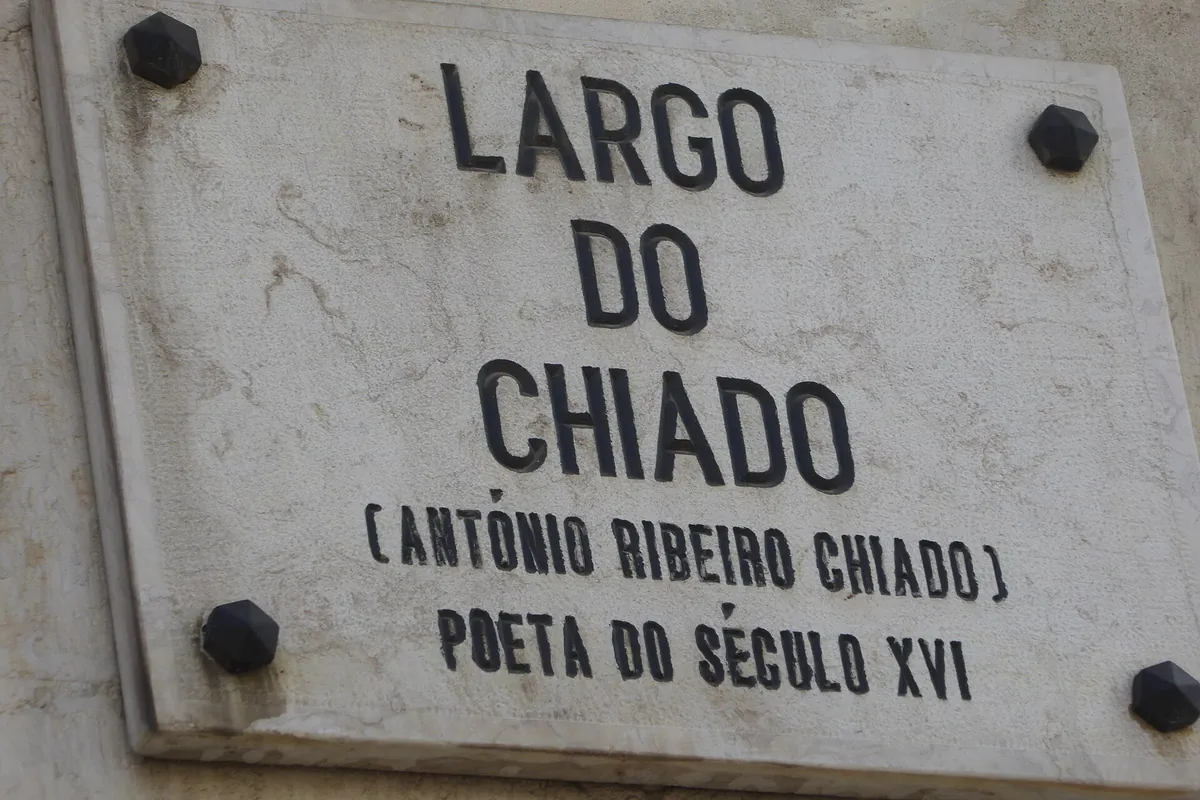
Chiado takes its name from António Ribeiro, a popular 16th-century poet from Évora who lived in the area and whose nickname was chiado, meaning squeak. According to Wikipedia, the name has existed since around 1567, first for Rua Garrett and later for the whole surrounding area. A bronze statue of the poet was placed in Chiado Square in 1925. The square sign still reads António Ribeiro Chiado, poeta do século XVI.
Theatres and the opera house
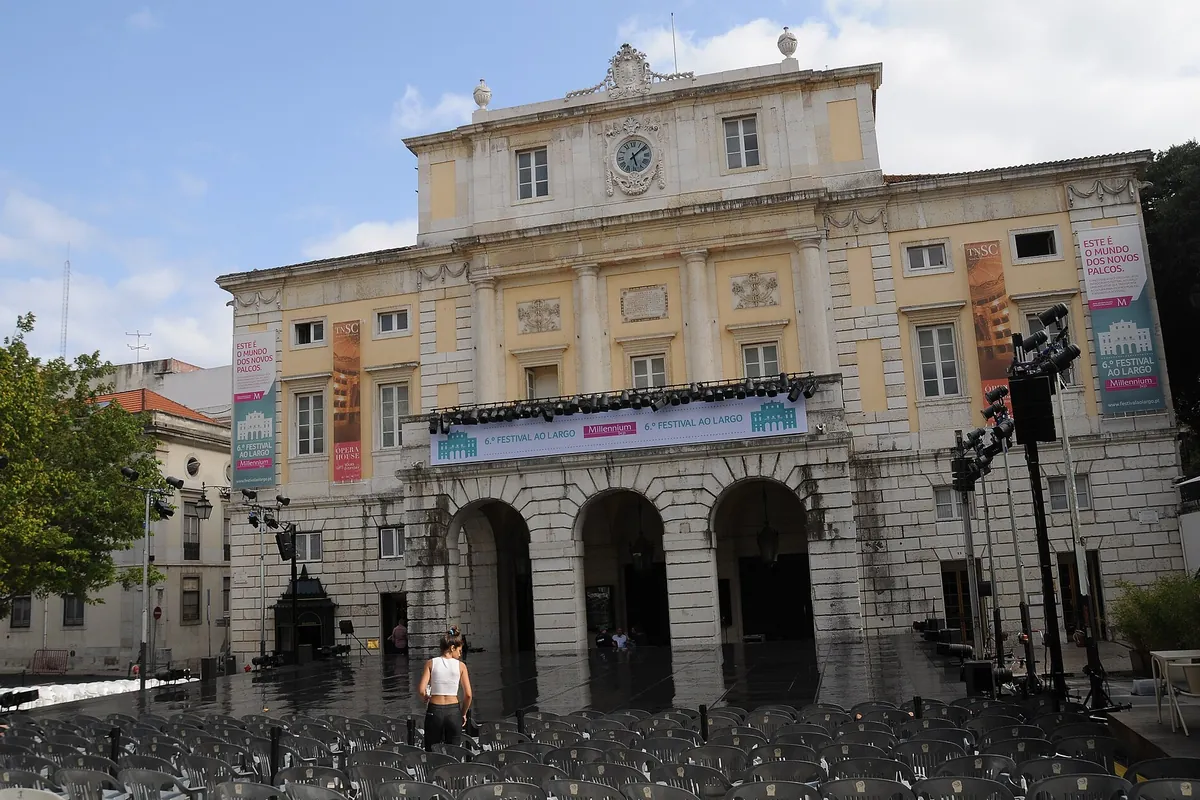
Chiado has been a stage district for more than two centuries. Lisbon's opera house, the Teatro Nacional de São Carlos, opened in the 1790s after the 1755 earthquake destroyed an earlier one, and Wikipedia places it in the Chiado district. The Trindade Theatre and the São Luiz Theatre followed in the nineteenth century. A fado show fits the neighbourhood's habits: this is a quarter where people have long come to sit in the dark and listen.
Cafés and poets
The cafés and theatres of Chiado were a meeting point for aristocrats, artists and intellectuals until at least the 1960s, Wikipedia says. The best known is Café A Brasileira, a former haunt of poets such as Fernando Pessoa. You can still sit at a table and watch the street. It is a natural place to spend the hour before a show.
The Carmo ruins
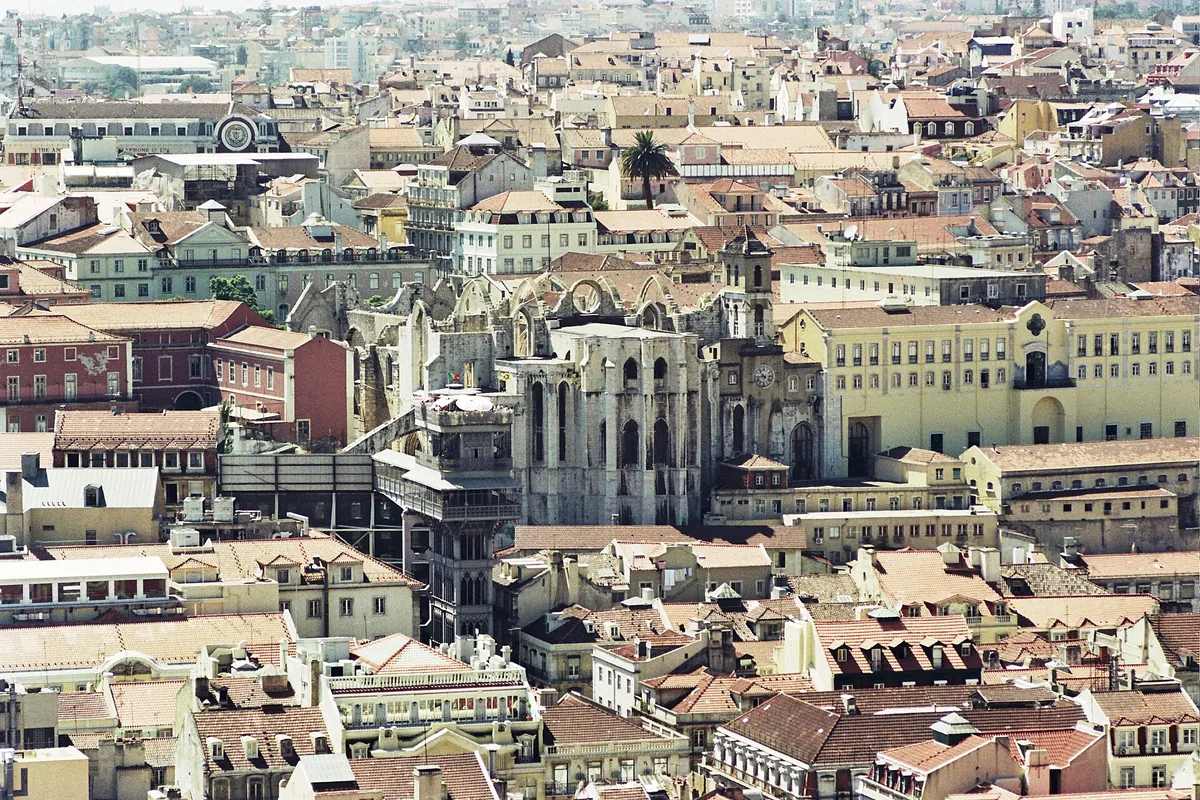
The Carmo convent was founded in 1389 by Nuno Álvares Pereira. The 1755 Lisbon earthquake ruined it, and the destroyed Gothic church on its southern side remains the main trace of the earthquake still visible in the old city. The ruins now house an archaeological museum, according to Wikipedia. Opening hours are on the museum's website. From outside, the open arches against the evening sky are a striking sight before or after a show.
Read next: Fado in Chiado show: what to book
The 1988 fire and the rebuild
In the early hours of 25 August 1988 a fire started at the Grandella department store on Rua do Carmo and spread to Rua Garrett and other streets, affecting 18 buildings, Wikipedia reports. The rehabilitation project that followed, led by the Pritzker-winning architect Álvaro Siza Vieira, restored the area, and Chiado has since become one of the most valuable property markets in Portugal. Look at the shop fronts as you walk: the quarter is old in spirit, and part of its fabric is young.
Bookshops, shops and museums
Many of Chiado's commercial establishments opened in the eighteenth and especially the nineteenth century, turning it into a favourite shopping area. Wikipedia names the Bertrand Bookshop, opened in 1747, and the garment shop Paris em Lisboa, opened in 1888, as examples that still exist. The Museu Nacional de Arte Contemporânea do Chiado, in the former Convent of Saint Francis, sits beside the shops. Browse the windows rather than the opening hours here: each business keeps its own times, and this guide does not give them.
Planning an evening
A simple plan: arrive early, take a slow turn around Largo do Chiado and Rua Garrett, then go to the show. Afterwards, eat nearby, where the choice ranges from a quick bite to a long dinner. The show on Rua da Misericórdia runs about 50 minutes, so a meal or a drink fits comfortably before or after. Wear comfortable shoes, since the best way to see Chiado is on foot.
Frequently asked questions
Why is it called Chiado?
It is named after António Ribeiro, a 16th-century poet nicknamed Chiado, who lived in the area. The name first applied to Rua Garrett and later to the surrounding quarter.
Which café is Chiado known for?
Café A Brasileira, a former haunt of poets such as Fernando Pessoa, according to Wikipedia. It sits in the heart of the quarter.
What happened in 1988?
A large fire on 25 August 1988 damaged part of Chiado, including two department stores. The area was rehabilitated afterwards under the architect Álvaro Siza Vieira.
Sources