Fado, explained
Fado in Lisbon for first-timers
What fado is, where it comes from, what the guitars and voices are doing, and how to listen on your first night in Lisbon.
Reserve a seat for fado ↗Quick answer
Fado is Lisbon's urban song: a singer, usually accompanied by a twelve-string Portuguese guitar and an acoustic guitar, performing songs of longing, fate and city life. UNESCO inscribed it as intangible heritage in 2011. You do not need to understand Portuguese. Sit still, listen in silence while the song is sung, and applaud at the end. A short theatre show is an easy first night.
What fado is
UNESCO describes fado as a genre of music and poetry that many communities in Lisbon practise. A solo singer, male or female, usually performs, traditionally backed by the Portuguese guitar and a wire-strung acoustic one. The result sounds nothing like a pop concert. It is slower, more intimate and more theatrical, built around the voice and the words. Expect melancholy, but the show's own site also names pride and hope in the mix, so the mood is richer than the word sad suggests. UNESCO adds that professionals sing it on concert stages and in small fado houses while amateurs sing it in neighbourhood associations, which is why it feels at once polished and local.
The word and the mood
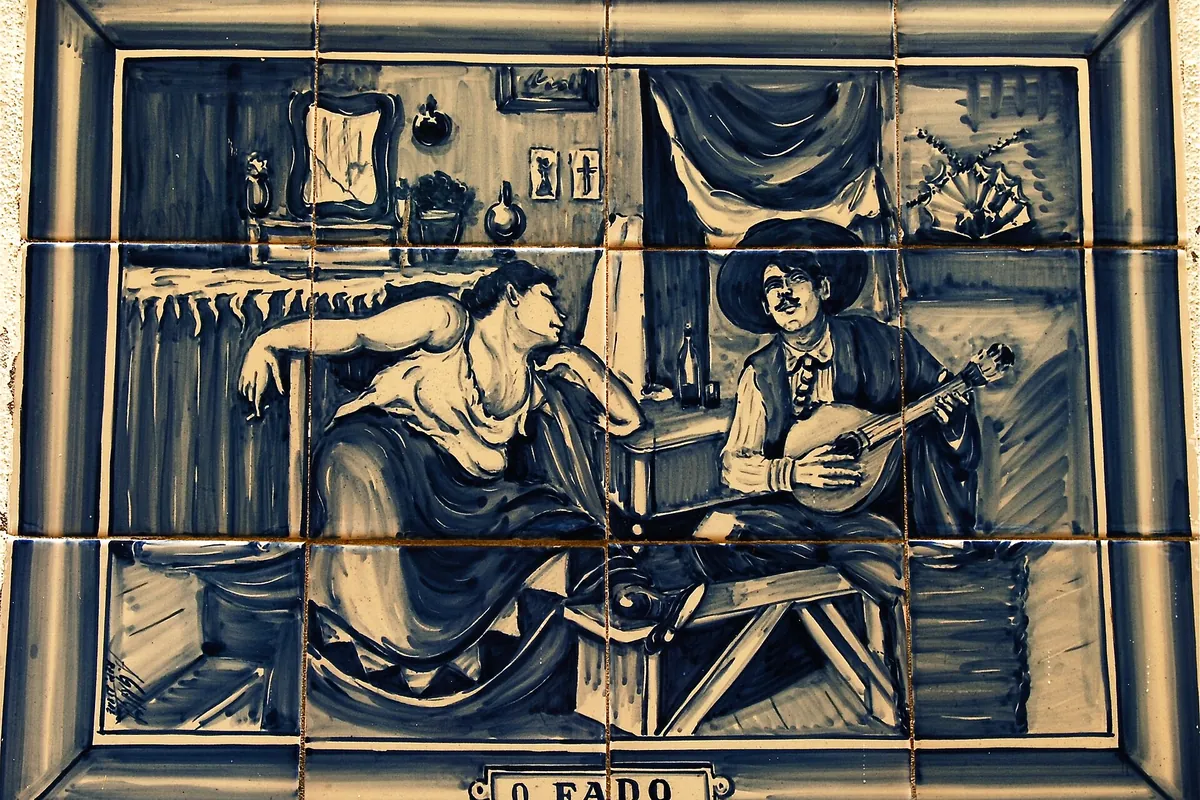
Scholars link the word fado to the Latin fatum, meaning fate, and plenty of songs play on the pull between destiny and misfortune. The mood is often summed up by saudade, a Portuguese word for a longing for something absent, whether a person, a place or a time. Lonely Planet's Lisbon writer describes listeners hanging on every chord and feeling longing and loss even without understanding the lyrics. A few words come up again and again in a fado room.
- Fadista: a fado singer
- Saudade: longing for something absent
- Guitarra portuguesa: the twelve-string Portuguese guitar
- Viola: the wire-strung acoustic guitar
- Casa de fado: a licensed restaurant that combines dinner and fado
Born in the streets of Lisbon
Fado can be traced to the 1820s in Lisbon, though it probably has older roots, and historians such as Rui Vieira Nery warn that the early record is largely oral. Lonely Planet places its birth in the tavern districts of Mouraria, among sailors, farmers and other working people who sang improvised songs. UNESCO calls it a Portuguese multicultural synthesis of Afro-Brazilian sung dances, local song and dance, country music carried to Lisbon by people moving in from the provinces, and the city's song styles of the early 1800s. The separate history guide below follows the story into the twentieth century, and it shows how a street song became a national symbol in only a few generations.
Read next: Where fado began: Mouraria and Alfama
The voices and the guitars
The signature sound is the Portuguese guitar, which UNESCO describes as a twelve-string, pear-shaped cittern found only in Portugal. Beside it, a wire-strung acoustic guitar called the viola takes part in the accompaniment. Recent decades have added setups with a pair of Portuguese guitars, a guitar and a bass. The singer, called a fadista, sits at the centre of all this and shapes each phrase. Watch the guitarists as well as the singer: in a good fado, the instruments answer the voice as much as they support it.
Read next: The Portuguese guitar, explained
How to listen
Fado is not background music. Lonely Planet advises the audience to stay quiet during the music: once the lights dim and the guitars start, silence is expected, and in a dinner venue the service pauses for the songs. Do not talk, do not use a flash, and keep your phone away. Applause comes at the end of a song. At some shows guests join in on parts of a song, and the performers make that clear. Treat the silence as part of the music: it is the way the audience takes part. If you arrive curious rather than expert, that is exactly the right frame of mind.
Do you need Portuguese?
No. Many in the room will not follow every word, and the Museu do Fado's homepage carries a line attributed to Amália Rodrigues, saying that fado is to be felt rather than understood or explained. A short show with images of the city on screen, as in Chiado, gives a first-time listener a thread to follow. If you want the lyrics afterwards, search for a translation of a song you liked. Many listeners find that reading the words later changes how a song sounds the second time, which is a good reason to keep a note of what you heard.
Lisbon fado and Coimbra fado
The fado you will hear in Lisbon has a cousin in Coimbra. Wikipedia describes Coimbra fado as linked to the university and to the medieval troubadour tradition. It is sung only by men, who wear academic dress, often at night in squares and old buildings, and its guitar differs in tuning and construction from the Lisbon one. The two styles share a name and an instrument family but not an atmosphere. For a first night in the capital, you will be hearing the Lisbon kind, and a short Lisbon show is a reasonable place to meet it.
Identity, censorship and today
UNESCO observes that the spread of fado through emigration and the world-music circuit has reinforced its image as a symbol of Portuguese identity. Lonely Planet's writer recalls that censorship after the 1926 coup stripped fado of its improvised character, and that Fátima, football and fado were the government-sanctioned sources of culture. Fado never went out of fashion and was revived in the 1990s by a new generation. Mísia, Ana Moura and Mariza took it abroad, and Carlos do Carmo received a Latin Grammy lifetime achievement award in 2014.
Who to listen to first
Start with Amália Rodrigues, the singer called the queen of fado, who did more than anyone to carry it abroad. Lonely Planet suggests her songs as the point of departure. Among later singers, Wikipedia lists Alfredo Marceneiro, Carlos do Carmo, Ana Moura, António Zambujo, Camané and Mariza, and Lonely Planet adds Carminho. For older recordings, the Museu do Fado runs an online archive of thousands of recordings made since the early 1900s, which you can browse by singer or by song.
Read next: Amália Rodrigues: the queen of fado
Who this isn't for
Anyone after a dance floor, a sing-along or a lively tapas night will find fado too still. The form asks for attention and a certain willingness to sit with sadness, so it is a poor choice for a noisy group or for a toddler who cannot stay quiet. Fado is also not flamenco: there is no dancing, and the guitar leads rather than the feet. Those who like intense, emotional singing will find the form rewarding, and a short show makes the first listen low-risk.
Your first night in Chiado
A short, seated theatre show is a gentle way in. Fado in Chiado runs about 50 minutes, with singers, a Portuguese guitar and an acoustic guitar, and images of Lisbon landmarks during the songs. You can book a date and seating option through GetYourGuide and cancel free until 24 hours before. Afterwards, Chiado's squares, cafés and theatres are on the doorstep, so the fifty minutes slots into a wider evening without taking over the rest of it. Choose a date from the calendar, then keep the confirmation for the start time.
Read next: Fado in Chiado show: what to book
Frequently asked questions
What does fado mean?
The word is linked to the Latin fatum, meaning fate. It names a Lisbon song tradition of music and poetry, and many songs dwell on fate, longing and loss. UNESCO inscribed fado in 2011.
Is fado always sad?
Often, but not only. Wikipedia describes a mournful character loosely captured by saudade, and the Fado in Chiado site says fado combines saudade, Portuguese pride, hope and conformism.
Must I stay silent?
Yes, during the songs. Silence is the central courtesy of fado. Applause belongs at the end of each song, and flash photography is not welcome in most rooms, including at Fado in Chiado.
How long is a fado show?
It varies. The Chiado theatre show lasts about 50 minutes, while dinner venues run for most of an evening, with songs sung between courses. Check the booking page for the length of the one you choose.
Where can I hear fado besides Chiado?
Lisbon has fado houses, taverns, concert halls and the Museu do Fado in Alfama. Amateurs also sing in neighbourhood associations, according to UNESCO. A casa de fado dinner is the main alternative to a short theatre show.
Sources